
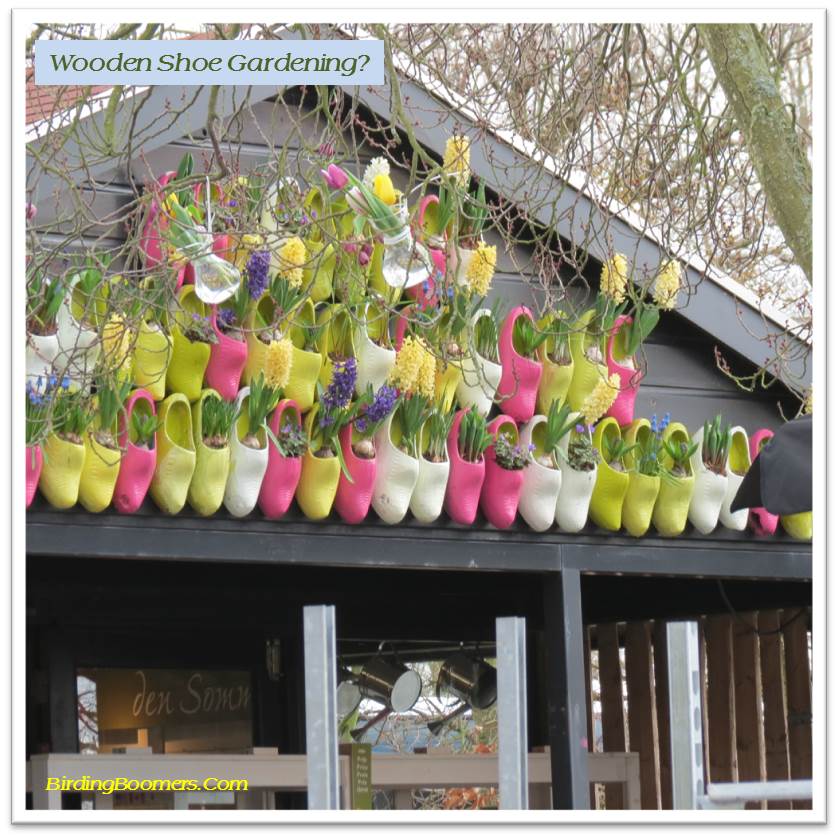
 It started at Keukenhof Gardens near Amsterdam. The slightest germ of an idea, a tiny seed floating around in the corners of my brain looking for a place to settle in and start to grow. We were enjoying a lovely trip to the Netherlands but they had experienced a cold winter that lasted into the spring so the tulips outside were not doing so good. But inside the pavilions at the Keukenhof, the blooms were amazing – just thousands of tulips and spring flowers everywhere. But the things that caught my attention and held on tight were the potted plants. There were hundreds of pots – pots of all sizes and I found myself thinking that I needed more pots in my flower beds at home. And it was the big pots that I was liking….big, big pots filled with things……not just bulbs and small plants like geraniums or begonias…big things like lilacs. Lilacs in pots….wouldn’t that be nice?
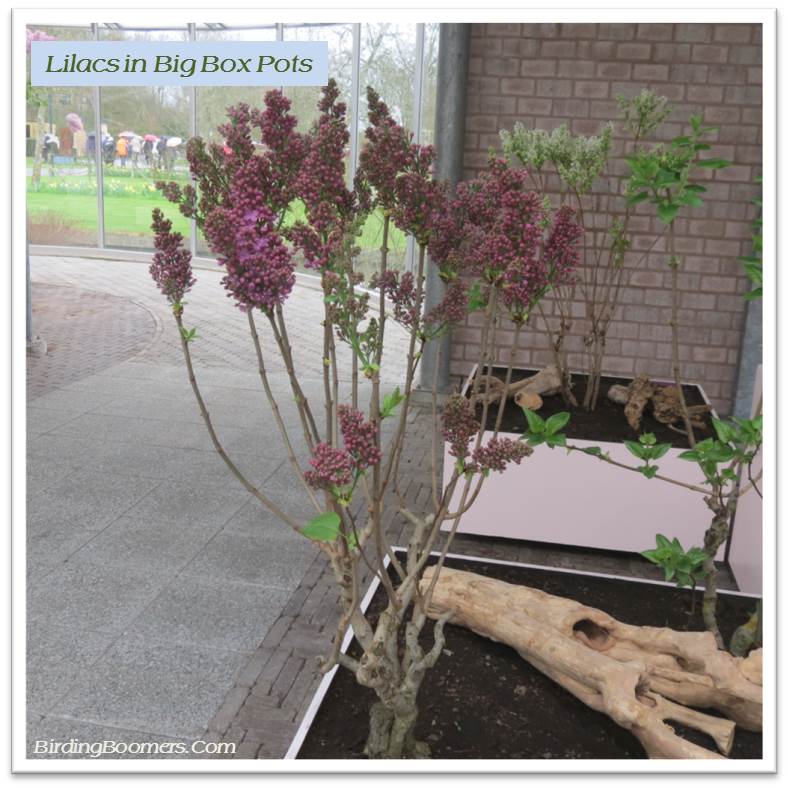
Now, I’ve done some experimenting with pots in the garden and have been in the process over the past couple years of raising many plants up from their ground-growing spots and putting them into pots. That started a few years ago when we added the sunroom on to the house. We had a wonderful Hosta called “Sum and Substance” that was huge and beautiful but right in the way. There was no way it could stay in the ground while contractors were tromping all over the place and digging a foundation and pouring cement but it was in a lovely spot and I knew we’d want to put it back into that spot after all was said and done. So we put it temporarily into a half-barrel just to get through the building process that would probably include the winter. I fretted over that hosta going through the winter in the pot but I needn’t have worried. It didn’t just survive in the half-barrel, it thrived….so much so that when it came time to put it back into the ground, we didn’t. We just left it in the barrel and placed it right outside the window in its designated plot of ground. It has been there ever since and loving life in its little half-barrel home.
 You guessed it. When that worked, my thoughts fell to other hostas and maybe they’d do well in pots too. So over time the hosta bed down the side of the house is gradually becoming filled with potted hostas. I think of it as the “hostas in potsas” bed and it works (definitely a blog for another day). The hostas love being in the pots. They are easy to move when necessary and easy to feed and water. As I get older, I find that gardening in pots is much easier on the joints – you just do not have to bend over as far to weed out a pot. Watering can be an issue but since it is primarily a shade garden, watering is not such a difficult chore. But, other than Sum & Substance, most of my hostas are small plants like those tulip bulbs in Holland. Big plants like shrubs might be something else entirely.
 But the big pot idea stayed with me and I knew just the spot in the yard that could use a couple big pots to lighten up the corner in summer and provide a little structure in winter….add a couple new “bones” to the garden as it were. So I started looking around for big pots…..and I was thinking BIG pots. But who knew that BIG pots would be so difficult to find? And so very expensive when I did find some? There’s always the Williamsburg Pottery but I haven’t been there in years and it’s something like three hours away so not exactly convenient. I hoped there would be a big local market for big pots since every building in/around town seems to have those ginormous pots out front planted with flowers to look like they were just interested in making the sidewalk more beautiful when actually the intent was to block the doors of the building and keep people with car bombs from driving right through those big ole glass doors. But I guess regular buyers with smaller suburban gardens and fewer security problems do not really need BIG pots. Most of the pots I found were big but not so big….big enough for a good sized hosta but not quite big enough for a tree…well, not a large tree like an oak at any rate. But a large but not so large pot would probably do so I scaled my BIG pot idea down to a more reasonable and manageable size. But I was not going to give up entirely so I went out looking for the biggest and nicest pot that I could afford.
Did I mention that I wanted a colorful pot? After all, it would need to have a little something going for it during the dog days of summer when everything in the garden looks a bit bedraggled and faded out in the heat. Plus having a little color will provide a little “pop” in the garden during winter when everything is muffled in grey and white. Now I was thinking purple or lime green or maybe candy apple red but that might be way too much in this neighborhood even though it would fade out after a year or so. So the colors had to be right. It took a while but I finally found a couple pots – green and turquoise – bright but not too bright – good color but not too much…..not BIG but relatively big and they would fit the corner quite nicely. Perfect.
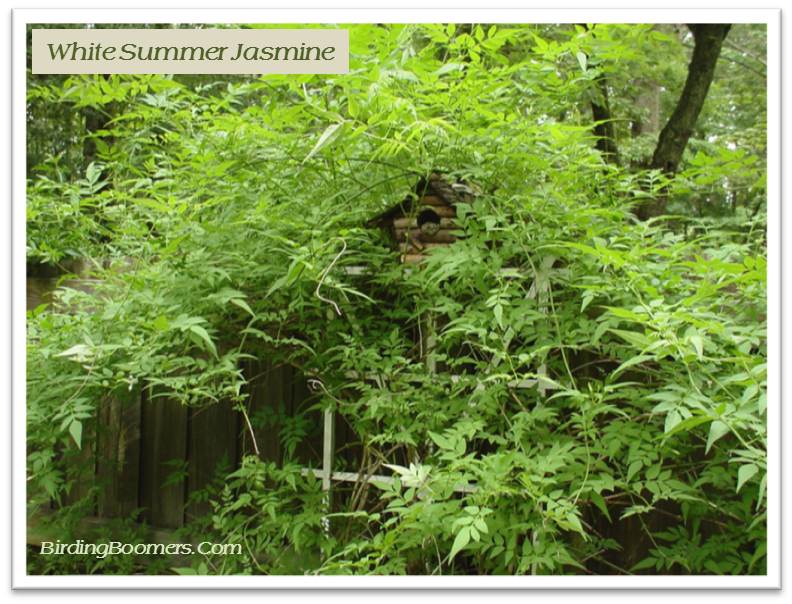
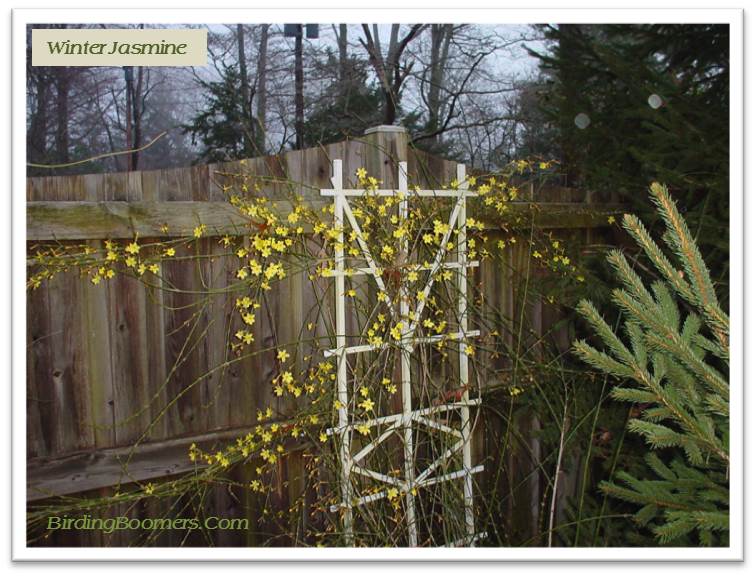 Now for that corner. Originally, two types of Jasmine (winter yellow and summer white) had been growing on the fence in that corner but a nasty storm a couple years ago (remember that derecho weather?) had taken a wild cherry tree down in the yard and it carried a portion of the fence along with it. The fence was old so there was nothing to do but replace the whole thing. And that meant the jasmine (winter and summer) had to come down. The jasmine was not great on climbing so had never really adapted to the new fence on its own so it grew all over the place and badly needed some attention.
 The corner by the fence needed sprucing up so we took all the jasmine out and put it in another part of the yard where it could sprawl all over the place.
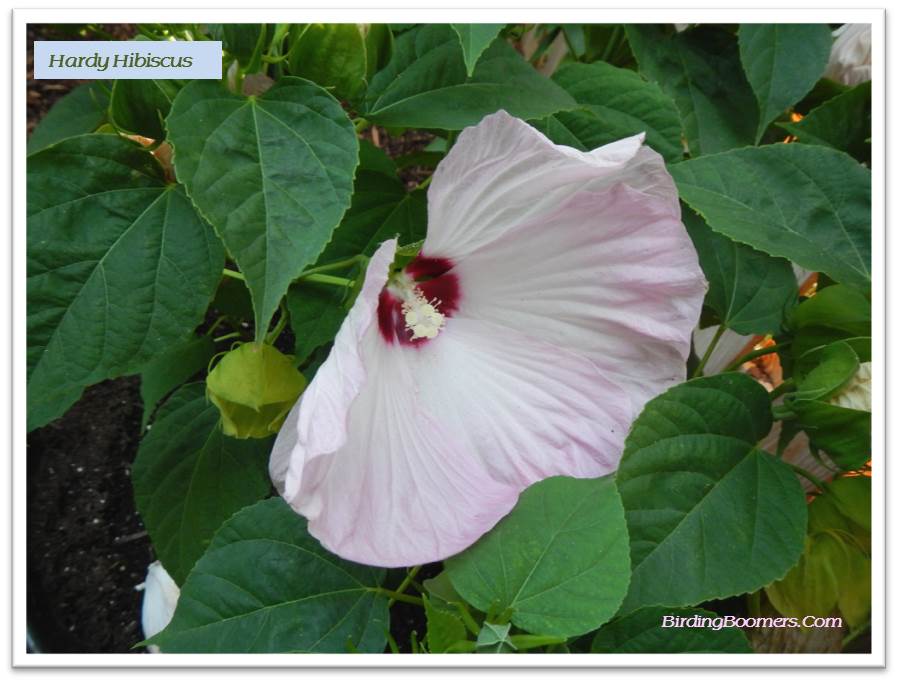 Now for the pots. We already had a Lilac that was the right size for a pot. I had purchased it some years ago and planted it in the back yard. Unfortunately, the spot turned out to be just a little too shady so the lilac never bloomed. I had thought about moving it but the right spot did not present itself until now. So one salvaged lilac went into one pot. Maybe it’ll do well and, then again, maybe not – we will see. For the other pot, I had several ideas but settled on a Hardy Hibiscus. It would solve a few problems with containment for the hibiscus so was well worth giving it a try. So a pretty pink hardy hibiscus went right into the other pot. I used cinder blocks to keep the pots off the ground and to set the pots at different heights to give a little extra interest. A little pine bark mulch around the bottom and we’re done. The corner is spruced up with a couple good-sized pots even if they are not BIG pots and they should look lovely year round.

I love it when a plan comes together. Now what else can we do?







 Birding Boomers