
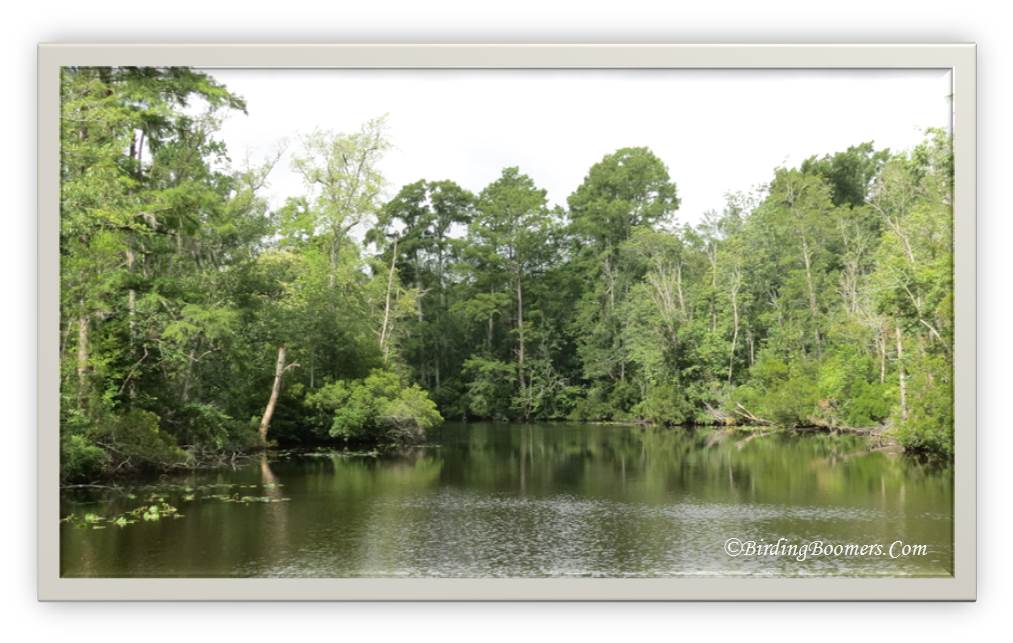
 It feels like forever since we have gone birding. Of course, we are always on the look out for birds and notice sparrows and cardinals and blue jays along the way as we take care of chores around the place. The feeders always have some bird or another hanging out taking a little nut and seed break. And there’s a particular northern mockingbird that always sits on the hedgerow along the road leading out of our neighborhood and we look to see that he is still standing sentry there by the road as we head out to work every day. So seeing birds around is not really the issue. The urge to bird is more about getting out in the woods and seeing birds in a different habitat even if they are the same birds. I seem to have missed most of the spring migration this year and I am not really sure why…it just seemed to have passed me by somehow. I read reports of warblers here and red knots there and osprey returning and snow geese departing but we just didn’t seem to get out there too much to scope things out.
And time is fleeting – you get just a glimmer of spring like a gentle breeze through the trees offering just the faintest kiss on your skin and then is gone leaving you with no trace it was ever there. It is the same with everything. You roll through your life and stop one morning to get your bearings and find that your kids are grown and friends you thought would be with you forever have moved on to greener pastures. The small potted hydrangea you planted and figured would not live a season is now a giant shrub covered with pale blue snow balls and the dogwood is now shading out the roses you knew were the only thing that could grow in that much sun.
 So I found myself in hot steamy June pondering the passage of time with a gallon-sized yen to head out into the woods or somewhere to look for some birds. It was time to take a “time out” to head to a spot where I knew we would see good birds. It was past time. A few hours’ drive south and we are soon in familiar territory. Even driving up the road to the house reveals a lone Bob White Quail running out ahead of us keeping just far enough ahead for him to feel safe but thereby preventing my every attempt at getting a good look at him or a good photograph.
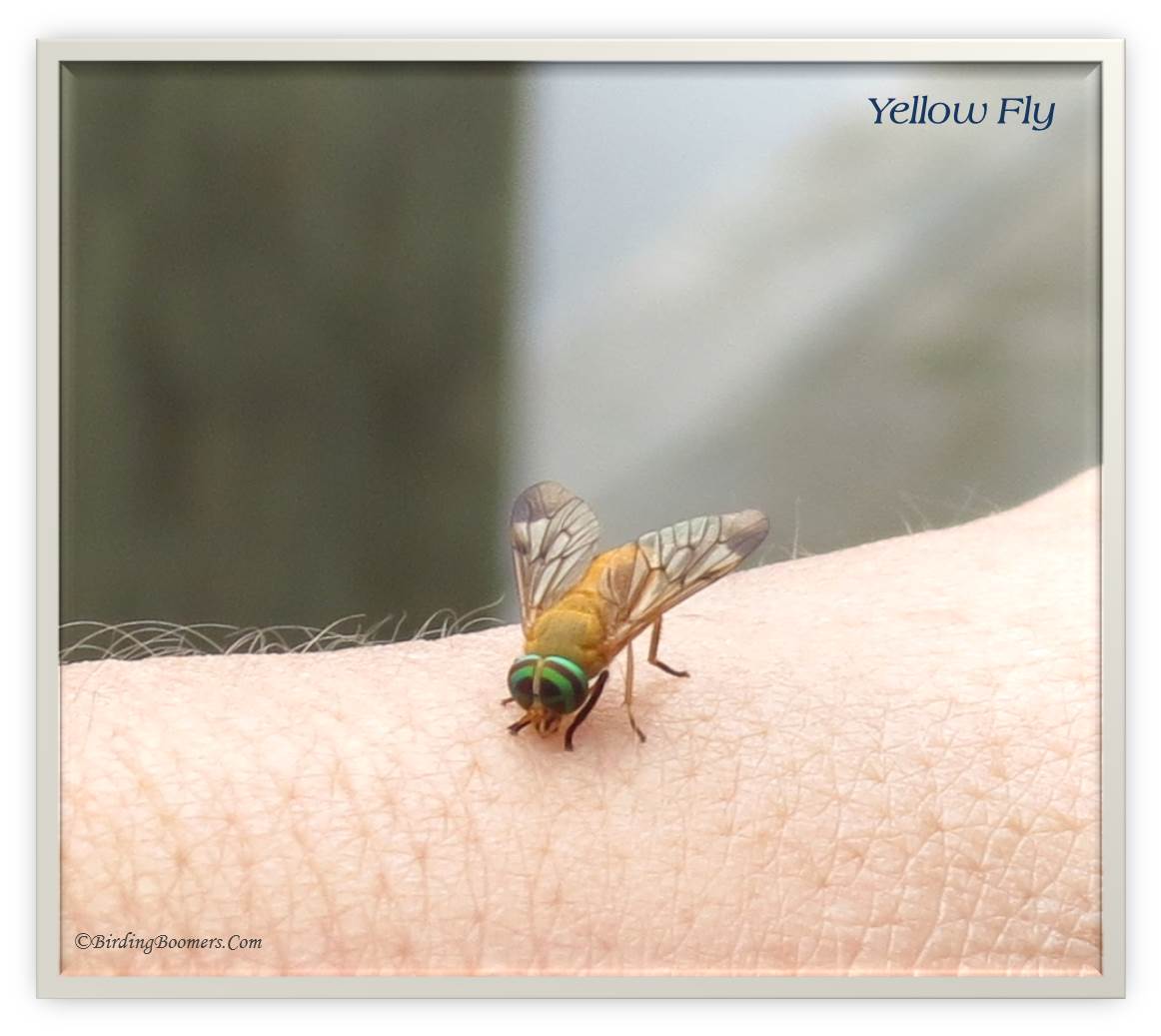 Now here I am sitting on an old wooden pier in dark water wetlands watching my husband motor away up the creek in the john boat as he heads out to fill his yen to do a little fishing. I sit quietly in the warm sunshine with my binoculars at hand and a camera just in case I get lucky enough to get a good photograph or two. The yellow flies are in season and they do try to take a little blood now and then but the mosquitos are not so bad down here by the water. I sit and let the peacefulness of the place soak into me like the black water slips silently in at high tide and fills the wetlands.
 I wait and the birds come to me – some I know well like the Carolina Chickadee and the White Breasted Nuthatch and the Tufted Titmouse. But some are relatively new to me like the Protonotary Warbler whose “sweet sweet sweet” echoes up and down the creek making him difficult to spot until he comes clearly into view like a golden dollop of butter with blue-grey wings. I have taken to calling this bird “Butter Baby” in my mind because of its beautiful color. However does the bird live in a muddy black water swamp and still keep its bright golden plumage so clean?
A Carolina Wren has built a nest on the top of the pier post between the piling and the boat lift supports. Mama Wren flies in with a big fat green caterpillar for the babies, sees me, and commences to lecture me with her witchety ratchety buzz saw mama song. She flits from tree to piling to lift cable to tree again until I get the message and hold my hands over my eyes so I cannot possibly see her or her babies. I must admit that I cheated and spread open my fingers just a little so I could watch her slip into the nest. Quick as a wink, babies were fed and she was out again and back on the hunt.
A little later, we take the boat up creek to look around and I see birds that are very new to me. I strain to focus my binoculars so that they show things just a little bit more clearly. I desperately try to take pictures that will be blurry but might just show the bird clearly enough that I can check it against the guide book I have left back at the house. I call out field markings and colors in hopes that my husband or I will remember the words I say later even when we forget exactly what we saw.
 A pair of Blue- Gray Gnatcatchers has stopped on a branch over the water to do a little preening. Another grey-green bird with a roundish head, light wing bars, and a short pointed beak flies by and makes me think flycatcher although I cannot fathom what kind he would be. A little further up the creek and we are startled as several Green Herons burst out from a Bald Cypress tree and fly upstream. Just as we are congratulating ourselves for being in the right place at the right time for once, four more herons shoot out of the tree and head up stream behind the others. Seven herons in all – what a beautiful sight! I strain my neck looking back to the tree wondering if there is a rookery there but I see no signs of a nest anywhere.
 We have pimento cheese sandwiches and diet Dr. Pepper® on the pier and listen to the plaintive but incessant call of a Pileated Woodpecker perched high up in a cypress across the creek. We decide that he is a juvenile who somehow got out of the nest and got stuck in the tree and now calls frantically for mama to come guide him to safety. I notice he is way too timid to leave the tree but not so much so that he cannot break bad on a Northern Flicker who lands on a branch nearby. I zoom the camera lens as far out as I can to try to get a photo but know that the bird is just too far away for a clear shot. Towards evening, Mama Pileated shows up and both birds fly out across the wetlands and away to the north.
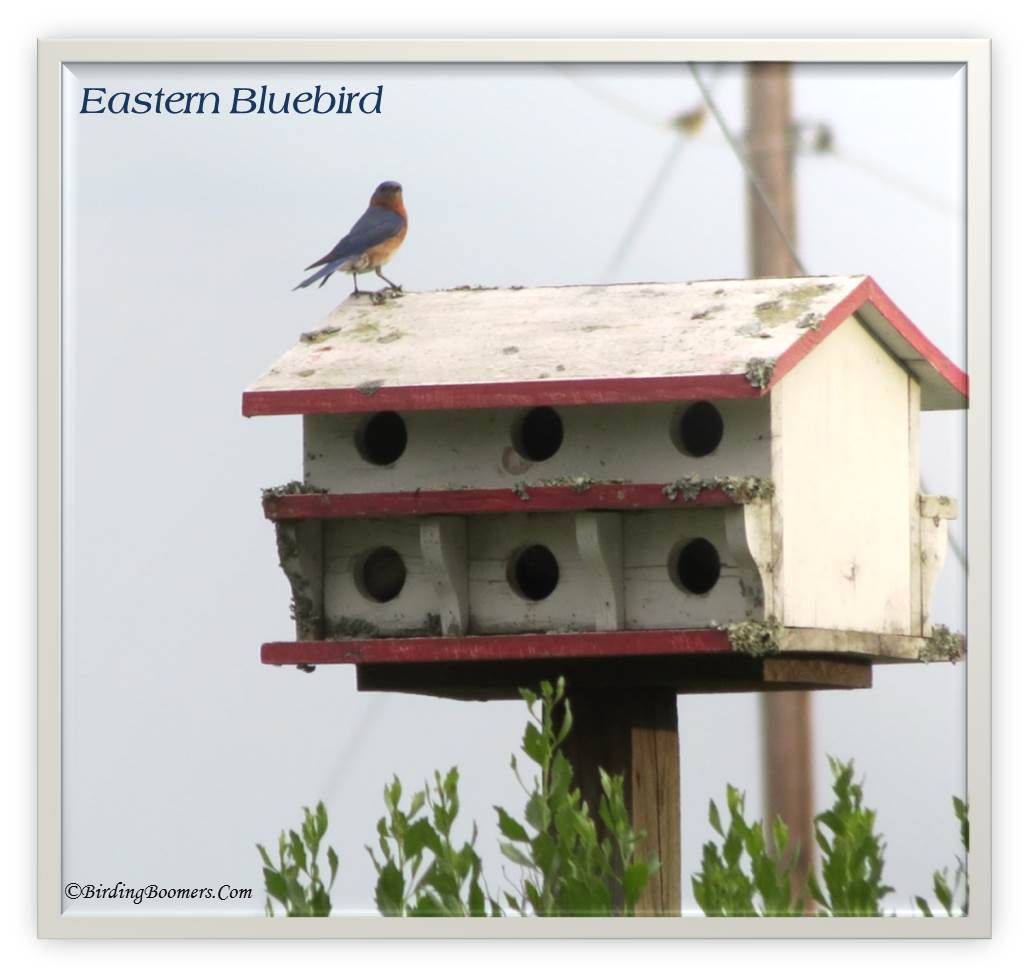
 So many beautiful birds to see in this place….and more. As we head back to the house, I spot a Blue Tailed Skink on the deck boards and finally am glad that some creature stops long enough for me to take a decent picture. We sit on the front porch of the house while my husband tells me about the large-mouthed bass he caught, describes the iridescent colors of the sun perch and notes how plentiful the white perch seemed to be this year. I spot the chestnut back and white tail of a deer sprinting across the field and heading for the safety of the woods on the other side. An Eastern Bluebird flits from the electric wires along the driveway over to the Purple Martin house looking for a good meal of bugs. No martins have ever lived in the house to my knowledge but bugs and wasps have made it their home over the years. I tell myself we need to take the house down and clean it out so that maybe martins will move in one spring but neither one of us wants to hike through the high grass filled with chiggers and deer ticks to get to the house. Late spring just isn’t the right time to get the job done. By the time winter comes and the grass is relatively chigger free, we have usually forgotten about that we intended to clear out the martin house way back last spring. Time flows on and chores we think are important get lost somewhere in the current.
 As dusk sets in, I notice a pair of Meadowlarks inspecting the newly mown field perhaps looking for good nesting sites or maybe just hoping to spot a fat grasshopper for supper. My weekend birding list is coming together nicely. Across the way, I hear the “pee-o-wee” of an Eastern Wood Peewee but never can seem to zero in on the location of the bird. No problem. I’ve seen good birds and had a good time…..found time. Time we carved out — time that we didn’t know we had to do something we really needed to do. Or more correctly, time to do “nothing” that we didn’t know we needed but now realize was very important indeed.
“The trouble is, you think you have time.”*
*Attributed to Buddha but actually appears to be from “Buddha’s Little Instruction Book” by Jack Kornfield (1994).

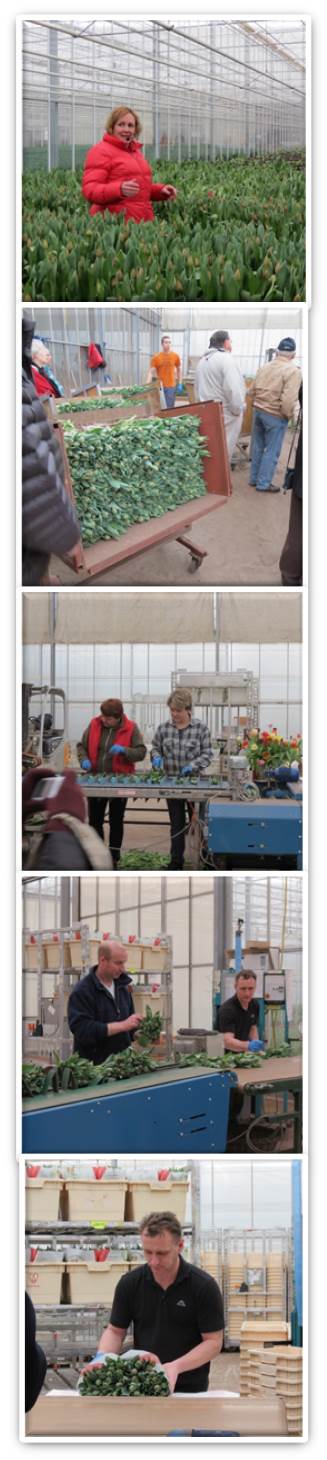
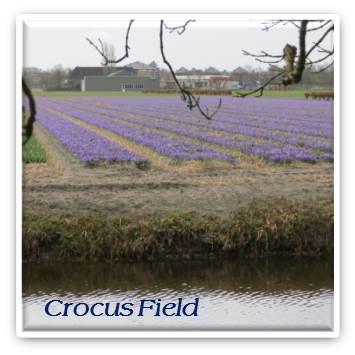
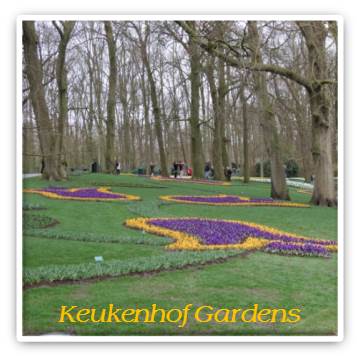
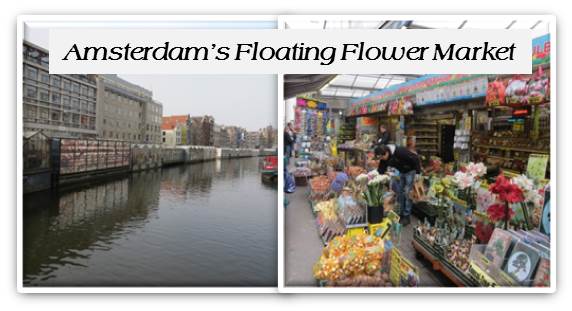 And so, we continued. We spent time in Amsterdam and saw wonderful old buildings and canals and some birds and enjoyed cool Amstel lager and a very expensive margarita but there were no tulips or daffodils or crocus. We did see an herb garden growing in a sunny window and the largest, if not the only, floating flower market in the world. We went to Kinderdijk and saw beautiful windmills and geese and lots of rain. We traveled in layers – long sleeve shirts with sweaters and jackets – because it was still very cold in country and you never knew when the sun would come out and bless you with a little warmth allowing you to strip off some of those layers. We visited a lovely town called Hoorne – more canals, more birds, a lovely visit with a former mayor…but, again, no tulips or any flowers to speak of except maybe a few lonely crocuses (croci?). We visited a former royal palace, Palais Let Hoo, with beautiful formal gardens but not a blooming flower in sight. So, you can imagine how excited we were to go to an actual tulip farm. Hallelujah, we are finally going to see some tulips. Or not.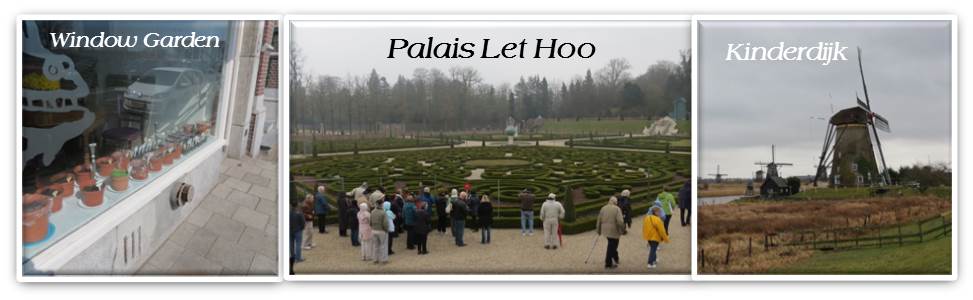



 Birding Boomers